The Quantarium ecosystem
Grow with apps. Protect with PQC.
Quantarium brings everyday apps, three ecosystem tokens, and a post-quantum mainnet and exchange together in one ecosystem.
Quantum risk isn't a distant future.
Data and assets protected by today's cryptography could be at risk once quantum computers become practical. That's why we applied post-quantum cryptography to our mainnet and exchange.
Apps
QRCHAT and our other apps are the gateway to the ecosystem. Right now, you can earn rewards through QRCHAT in-app games.
Post-quantum infrastructure
The Quantarium mainnet and the QuantaEX exchange protect the ecosystem's value with post-quantum cryptography.
Ecosystem
From apps to value
How it connects
Apps, tokens, and post-quantum infrastructure in one ecosystem.
Earn rewards in apps, keep them in Wallet, and trade them on QuantaEX.
Apps
QRCHAT and more
Tokens
QTA · QX · QKEY
Post-quantum cryptography
Mainnet · QuantaEX
At a glance
Here's what the Quantarium ecosystem looks like today.
Post-quantum cryptography
Mainnet · QuantaEX
Tokens
QTA · QX · QKEY
Where to earn
QRCHAT in-app games
Wallet
Telegram Mini App
Why Quantarium
Why post-quantum security, why now.
The risk grows over time. Encrypted data can be collected now and decrypted later, and systems upgraded piece by piece leave gaps along the way.
Risk summary
Collect now, decrypt later → weak links in legacy systems → a slow, costly transition.
Step 01
The harvest-now threat
Growing risk
Encrypted data stolen today could be decrypted once quantum computers become practical.
Step 02
Legacy weak points
Growing risk
When parts of a system are upgraded separately, the weakest part sets the security level for the whole.
Step 03
Migration friction
A unified response is needed
Moving existing systems to new cryptography takes time, so starting early matters.
Quantarium's response
We build post-quantum cryptography into our mainnet and exchange from the start, instead of adding it later.
Infrastructure
The ecosystem's PQC backbone.
Where PQC applies
Post-quantum cryptography is applied to the Quantarium mainnet and the QuantaEX exchange.
Currently in operation
See mainnet status at scan.quantarium.io and trading at quantaex.io.
How value flows
From everyday apps to infrastructure that protects value.
01 Apps
Join through apps like QRCHAT and earn rewards through in-app games.
02 Tokens
QTA, QX, and QKEY are three separate tokens, each with its own role in the ecosystem.
03 Infrastructure
Keep tokens in the Quantarium Wallet and trade them on QuantaEX, built on the post-quantum mainnet.
Technology
Post-quantum Layer 1 mainnet
QUANTA-X, the mainnet, and QuantaEX.
Summary
The Quantarium mainnet is a Layer 1 blockchain designed around QUANTA-X, a post-quantum cryptography engine.
Architecture
Three layers: cryptography, execution, and products.
Cryptography → Execution → Products
Plane 01
Control plane
Platform policy, trust posture, and orchestration logic.
- PQC-aware trust model
- Execution governance
- Migration continuity
Plane 02
Execution plane
The platform runs in production across Layer 1 and the runtime environment.
- Verification workflows
- Runtime continuity
- System-layer coordination
Plane 03
Product plane
The exchange, Wallet, and apps people use.
- QuantaEX exchange
- Quantarium Wallet
- QRCHAT and other apps
Where PQC applies
Post-quantum cryptography is applied to the mainnet and QuantaEX. Apps connect people to the ecosystem.
Learn more
The Quantarium White Paper v3.0 explains the architecture in detail.
Products
The exchange, Wallet, and apps.
Keep tokens in Wallet, trade them on QuantaEX, and earn them in QRCHAT.
Wallet
Your tokens, in a Telegram wallet.
Inside Telegram
Opens right in Telegram, no install needed.
Ecosystem tokens
Keep QTA, QX, and QKEY in one place.
Related
Role
Wallet is where you keep your ecosystem tokens.
Documents
In brief
Quantarium Wallet runs as a Telegram Mini App, so you can use it anywhere Telegram works.
Product 02
QRCHAT
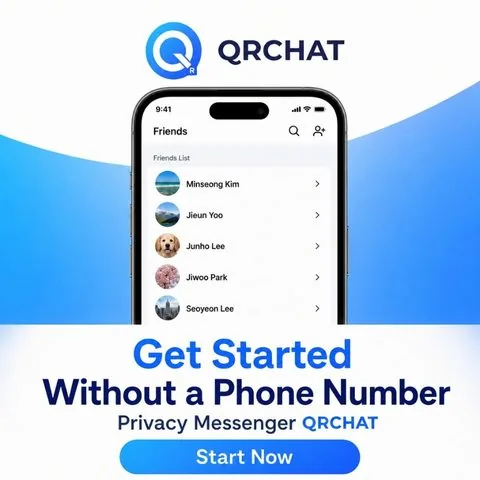
A privacy-first messenger that connects via QR code, and the first app where you can earn ecosystem rewards.
Product 03
QuantaEX
The ecosystem exchange, built with post-quantum cryptography.
Resources / Verification Records
Read the white paper.
The Quantarium White Paper v3.0 explains our post-quantum Layer 1 architecture and ecosystem. Available in English, Japanese, and Korean.
White Paper v3.0
Architecture, tokens, and ecosystem.
For
Investors, partners, users
Contents
Architecture, tokens, ecosystem
Languages
English · 日本語 · 한국어
More
Docs
FAQ
News / Evidence
FAQ
Frequently asked questions
For more details, see the white paper or contact us.
Post-quantum cryptography is applied to the Quantarium mainnet (scan.quantarium.io) and the QuantaEX exchange (quantaex.io). The apps themselves do not use post-quantum cryptography.
They are three separate ecosystem tokens. Right now, you can earn them through QRCHAT in-app games.
Not within the apps. Each token is separate.
Contact
Talk to the Quantarium team.
For investment, partnership, or general inquiries, please email us.
Technology
How the post-quantum mainnet is built
White paper
Architecture and token details
Partnerships
Investment and partnership inquiries